reclaim the sea
surf therapy x
gowerbunga guest: Phil Owen
favourite spot to surf: Manorbier
For our next interview, we got in touch with local surf instructor and not for profit business owner Phil Owen. Phil’s company Surf Therapy has been making strides in the community and providing valuable spaces for groups to explore the sport and its benefits. In particular we were interested in learning more about the sessions run last summer where Surf Therapy teamed up with Reclaim The Sea to introduce asylum seekers into surfing. Not only is this work crucial to positive developments of the individuals involved, but it is also helping in the push of the Gower surfing scene into a more educated and diversified landscape. Gowerbunga is all about working together as a community to educate and ensure positive spaces for everyone to enjoy surfing, and we’re sure you are too, so sit back and listen up as we delve into some of the programmes being run here in our city.
Can you explain surf therapy, how did you get started?
“ I was off long term sick from my job as a teacher and being seen by occupational health when the idea came about. I was a typical bloke you know, yes, no, maybe, as men do in therapy. She asked me, How do you relax? I said surfing. So I started going and following that my wife said, “it’s helped you, why don’t you help others.” I looked into how it can be used and found out that there was a lot of work being done. So I set up surf therapy in 2019 with the intention of only working with men. But since then it’s just got busier and busier, diversifying into different groups, I’ve worked with women, army veterans, ex inmates, refugees. People approach me with opportunities and I’m open, it spreads by word of mouth really.”
And that’s how you got involved with Reclaim The Sea?
“Yeah, well they got in touch with me through instagram, they had seen my posts and asked if I’d be keen to do some work in Wales. That must have been 2022/23 maybe. So I went down to Plymouth, did a training weekend with them and applied for funding with the national lottery to bring their program back here. We ran in summer 24, there will be another one starting up again this year. The support group asked if I could teach swimming to some of them, you don’t need to know when you come from these landlocked countries, and all of a sudden you’re here and they are essential skills.”
What were the goals, do you think they were achieved?
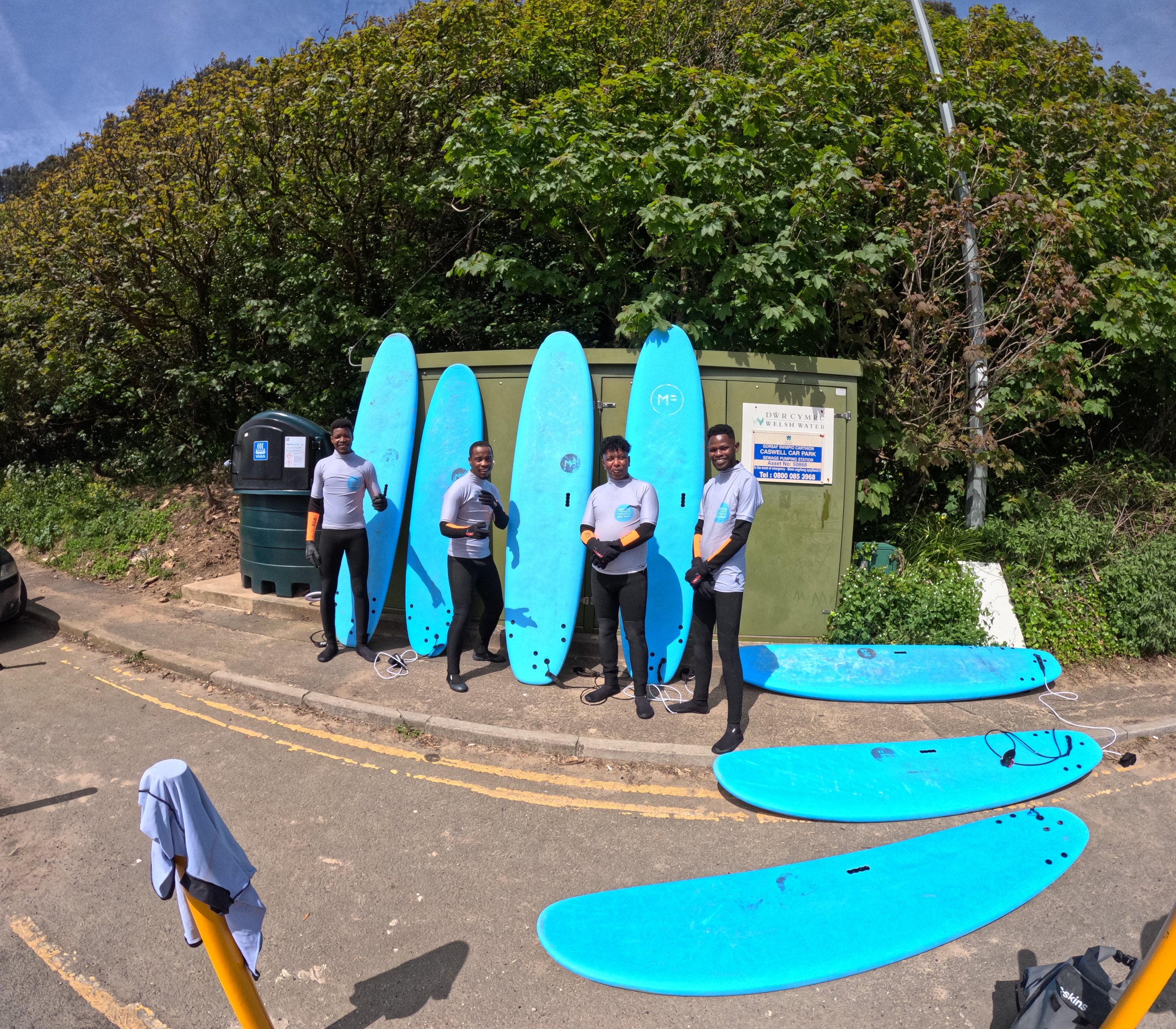
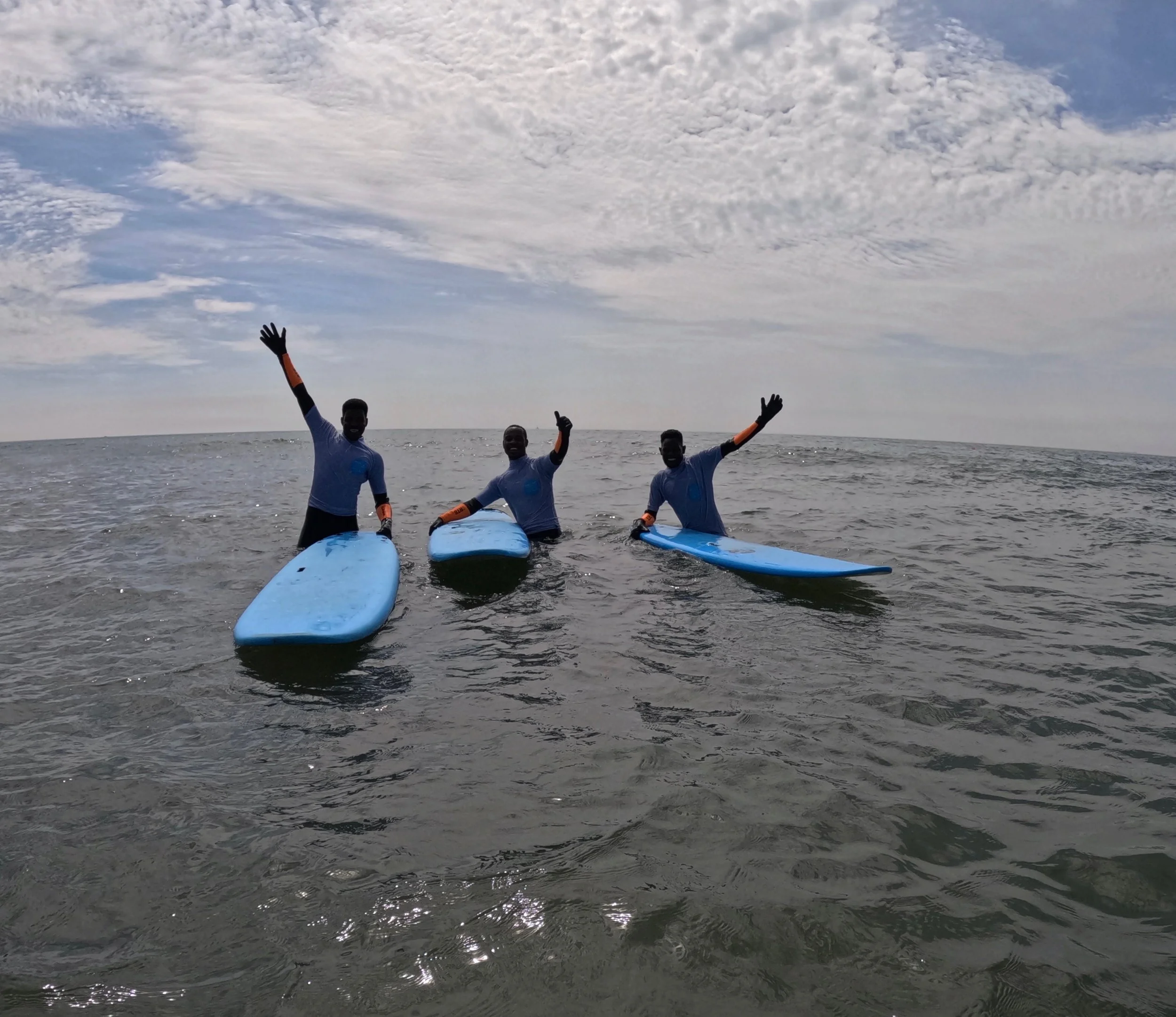
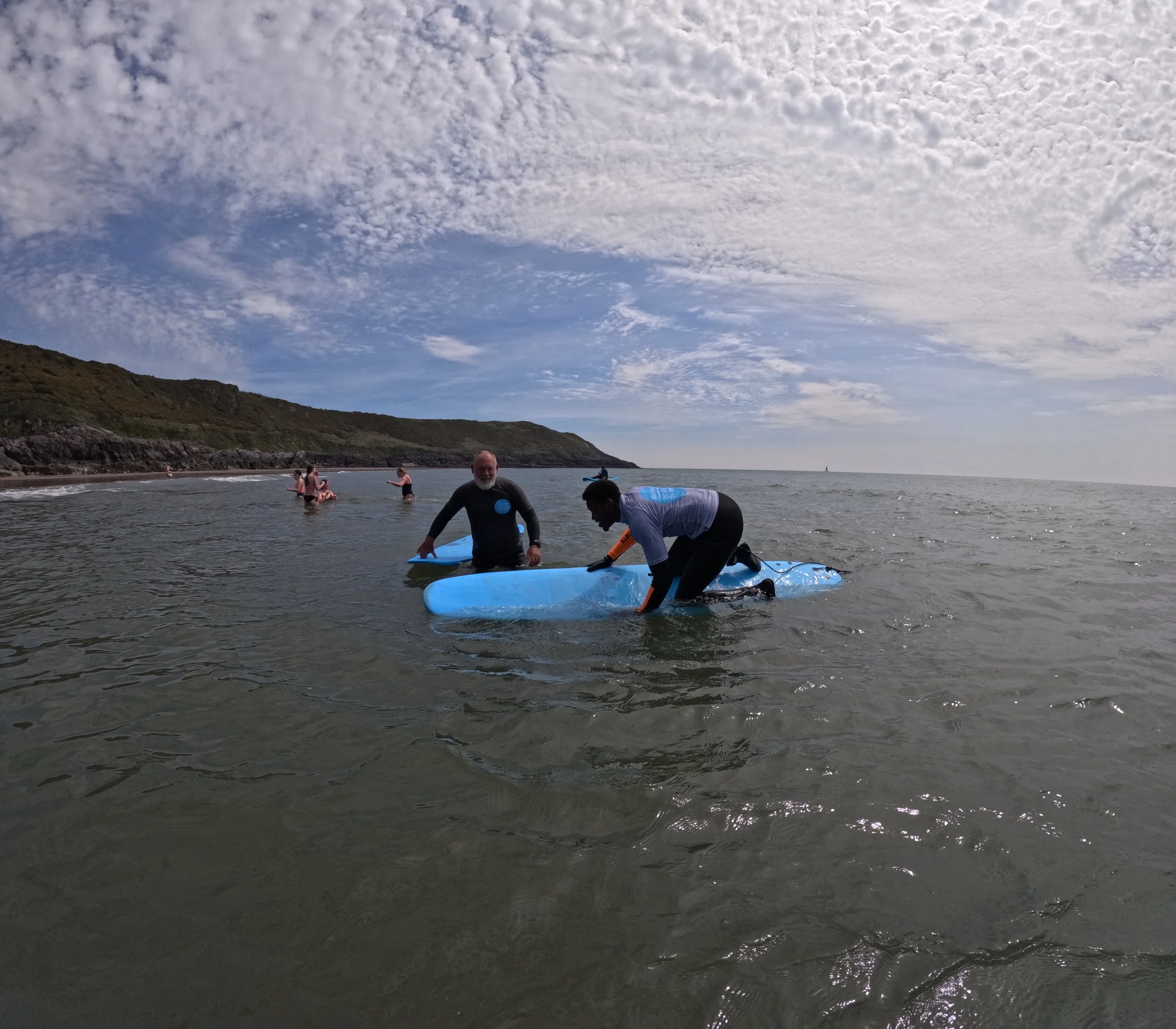
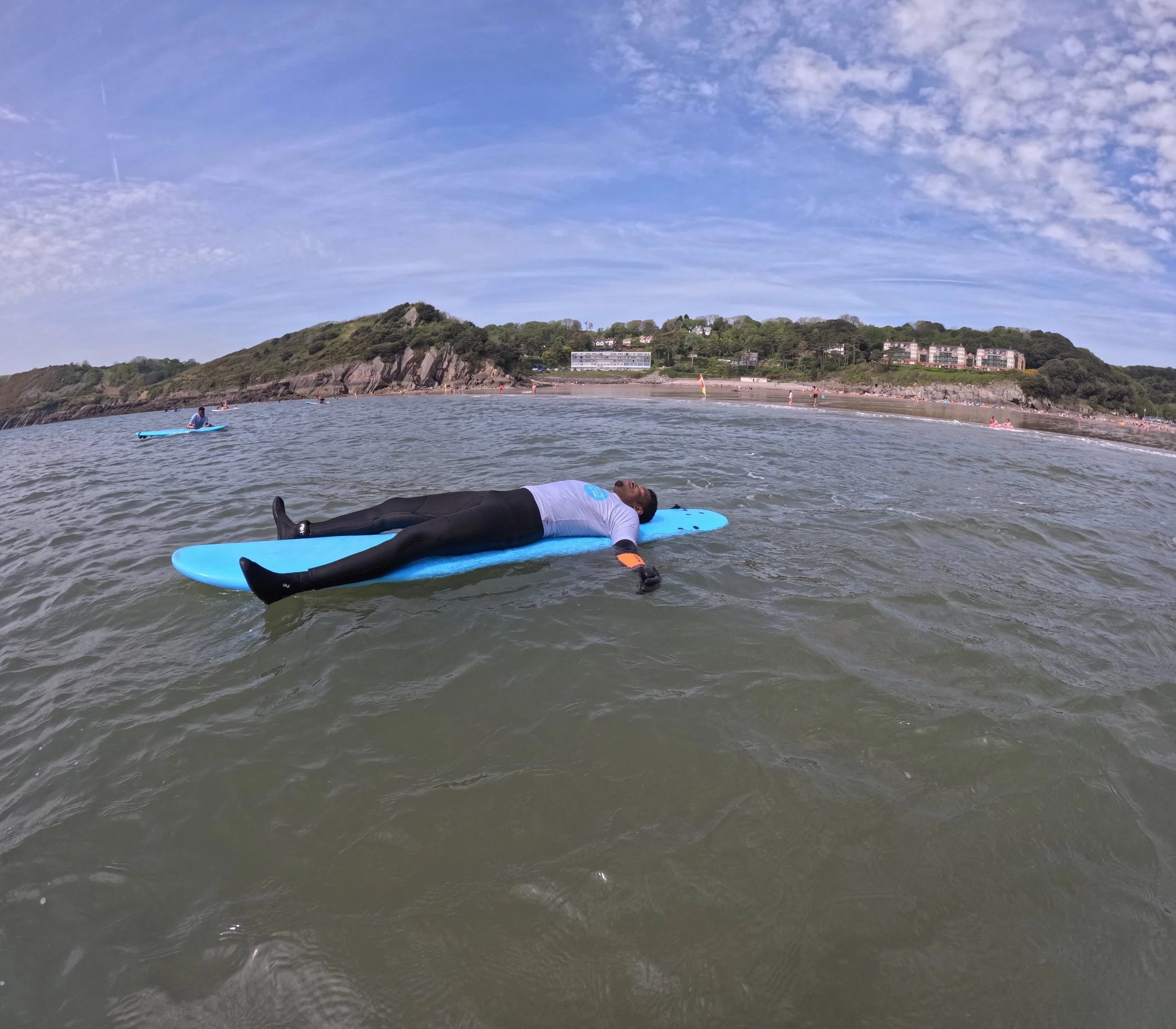
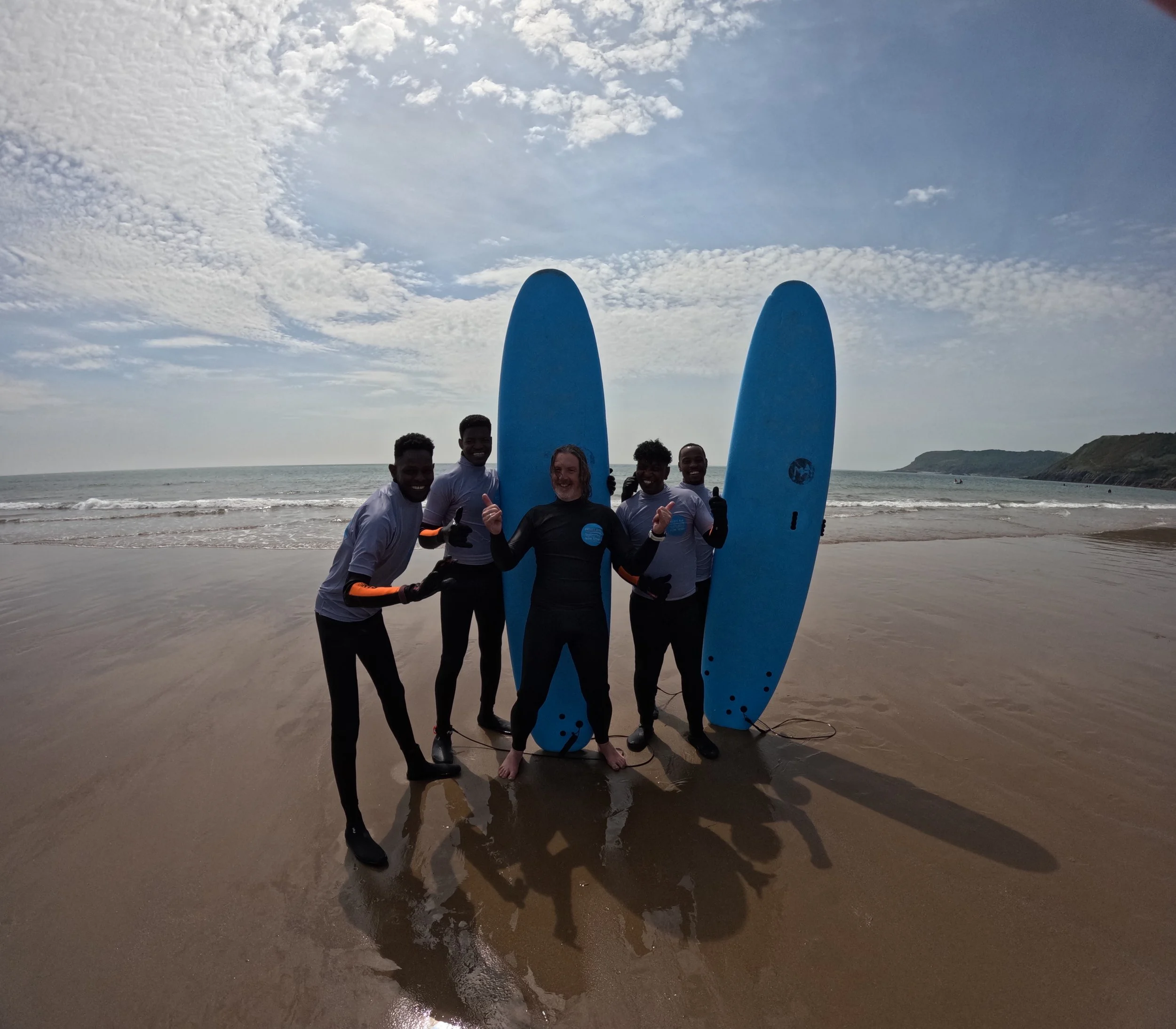
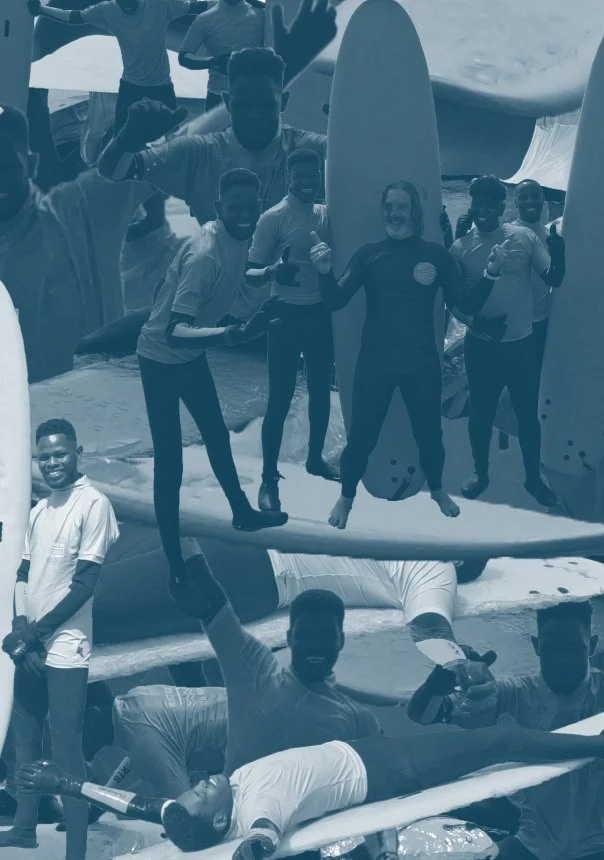
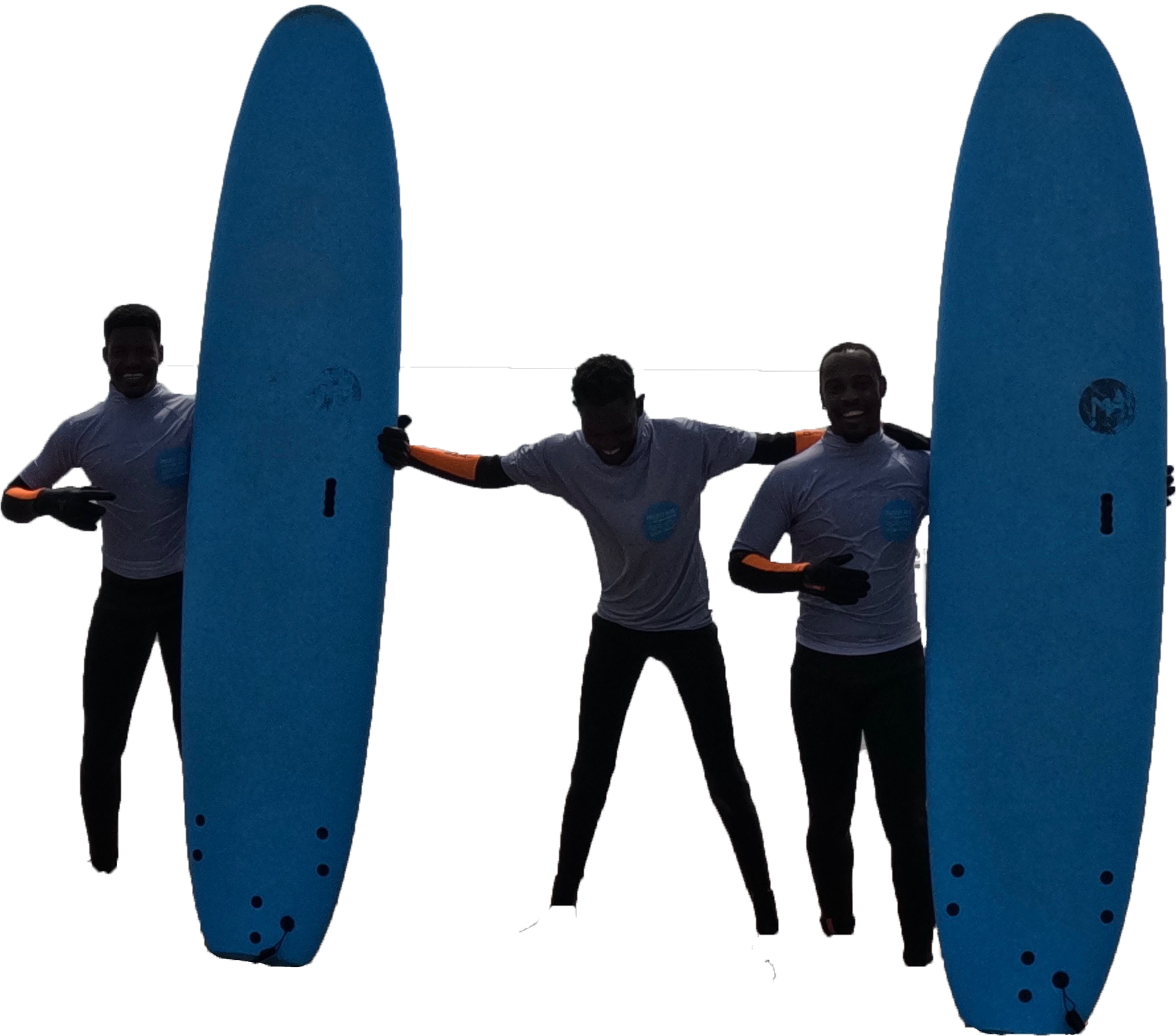
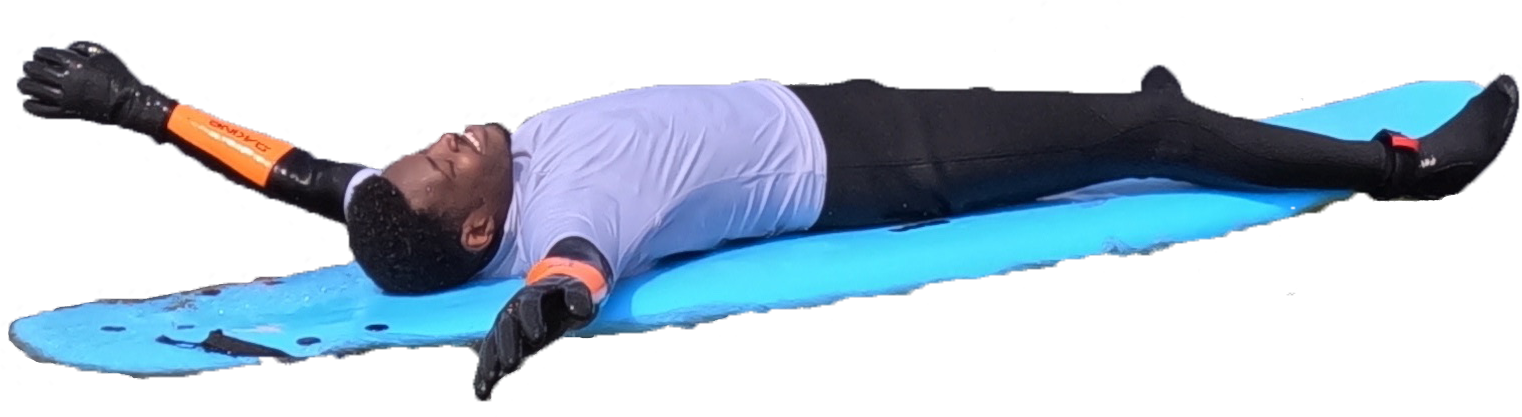
“The goals were to work with individuals who had suffered trauma through the boat crossings. Using surfing as a therapy to improve their all round wellbeing, and reintroduce the sea as a place of enjoyment instead of fear. We targeted the age group of 17-24 males as we believed them to be most at risk. They were still quite vulnerable, many of them took a few years just getting here, that would mean being around 13-14 leaving their countries, so to come and be placed in a room with fully grown adults, well we wanted to give them something to focus on. Just being in a space with people in a similar demographic to you is so beneficial. So the first group of 8 had not been in the sea since they crossed the channel, a couple of them were quite confident, but some not so. There was one of the guys who, after the first wipeout, took me a while to talk him round to leaving go of the board. Once you get flipped over and churned it becomes a trigger. But by the end of the session, he was catching waves, jumping around laughing and smiling. I’ve got some great pics I can send over from the day of everyone having fun in the water. They’ll be happy to share them as they reckon they are the best surfers from Sudan!”
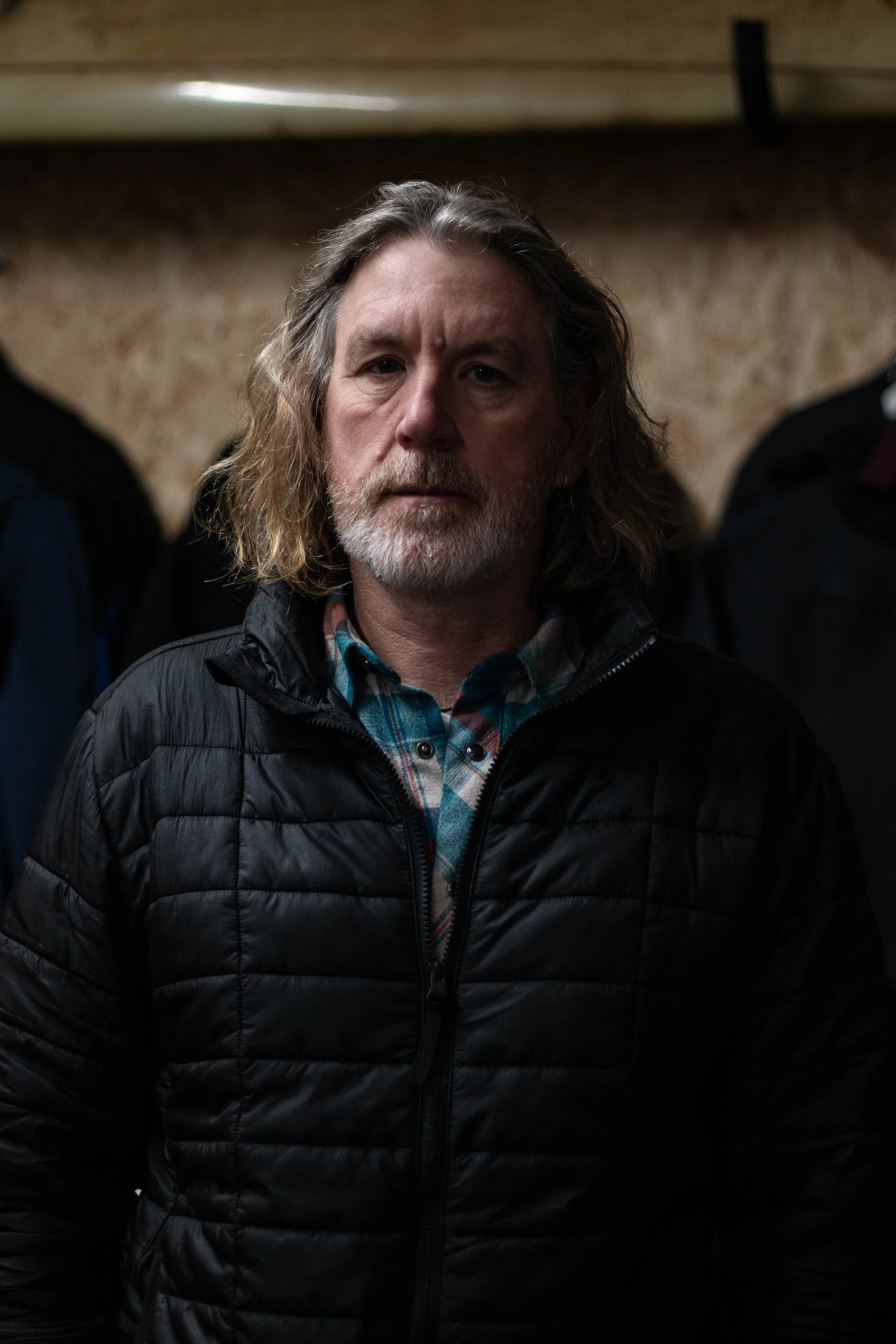
Phil Owen, founder of Surf Therapy
“reintroduce the sea as a place of enjoyment instead of fear”
You’ve initiated programs aimed at increasing inclusivity, do you think you’ve seen an impact on Gower beaches over the years into a more diverse and inclusive space?
“Definitely in relation to women’s surfing, groups like GWS, Daughters of the Sea mag, they are really helping to boost it. My son is gay and he’s grown up surfing. But he was really put off by what he would call the ‘ladish’ macho environment. Even though surfers like to think they are chilled out and laid back, when it comes down to it the space can be quite intimidating. I mean I’ve surfed since 1983 and even I still get intimidated, especially down langland! the attitude of some of the people can be uncomfortable, even if you are confident, male, white. So to go into that environment as someone from a minority background must be off putting.”
An intimidating space when you can’t see people that look like you there.
“Yeah definitely. I do think that the work we’ve been doing, especially the Reclaim the Sea sessions, local people have taken an interest and asked about it, and then I get local guys that come and volunteer, it allows those cultures to mix. It helped a lot with some of the younger coaches, the bombardment of political content and online videos can be so influential. They start to understand, education is so important, everyones got a story.”
“education is so important, everyone has a story.”
What do you think the biggest barriers are for under - represented groups that want to start surfing?
Definitely role models, and the opportunity to take part initially. Working alongside Progress (surf school) I’ve organized sessions with young people from the Swansea mosque, which was split in two sessions, girls on one day and boys on the other. Being able to accommodate people’s needs is really important. Queer surf club is great for representation in the sport too. Fraser, the guy who runs it, started the club to initiate that safe space for people. I met and got in talks with him about organizing something in Wales. Now they come here for their main event, which is organized to coincide with pride weekend. Last June we had 80 LGBTQ+ surfers on the beach for it. What’s great is after we do the party at Eddies, all the volunteers and coaches come along, which then brings guys that would never usually come in contact with these types of social circles together.
Do you think there is anything surf media or brands should be doing to make a more inclusive environment for everyone?
I think, in terms of the UK, surf media is pretty good, but internationally it still focuses on the blonde beach babe and the ripped Californian guys, the blue crush surfer. But that’s what sells. Unfortunately. We’d love to get a refugee surf team together. A competing team, I know in the olympics they had a team. It makes a difference when you can see yourself reflected in the professional world. I think they are getting there with the women, the prizes line up equally now and the tours are getting as big as the men’s. They got rid of that nonsense of not letting the women surf pipe as well. But there is definitely space for more work to be done.